RESIDENCY PREP

The Cross-Cover Guide is a practical, educational resource designed to support physicians during routine and urgent cross-cover issues that arise in hospitalized non-pregnant adults on medicine services.

CLICK HERE TO download the Cross-Cover Guide for free!

The Cross-Cover Guide is a practical, educational resource designed to support physicians during routine and urgent cross-cover issues that arise in hospitalized non-pregnant adults on medicine services. This guide is intended for educational purposes only and does not replace clinical judgment.

Acute Clinical Emergencies

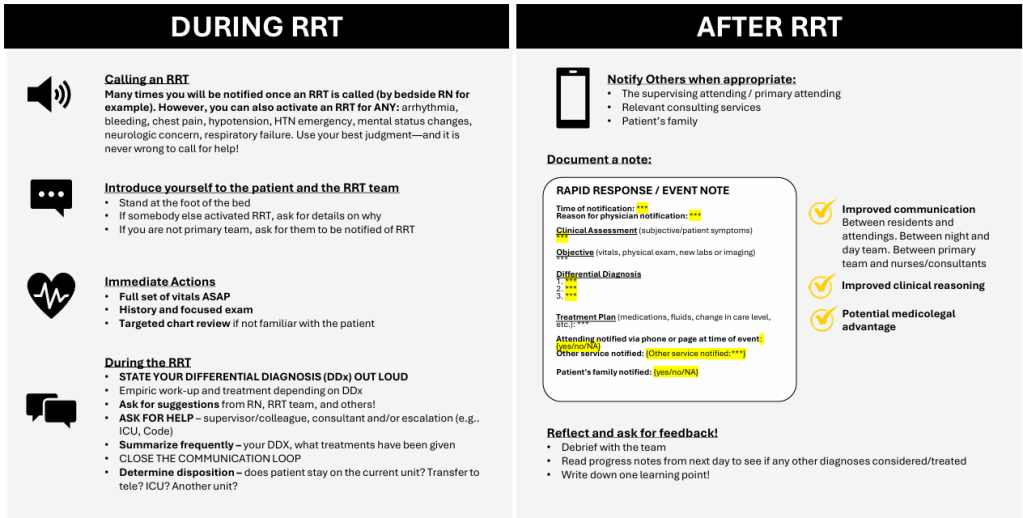
APPROACH to RRTs

A two-column infographic outlining best practices for managing Rapid Response Team (RRT) events, split into “During RRT” (left) and “After RRT” (right):

Left Column – DURING RRT:
1. Calling an RRT:

You may be notified by the bedside nurse, but anyone can activate RRT for any acute concern (arrhythmia, hypotension, chest pain, respiratory failure, neurologic changes, etc.).

Use your judgment—better to overcall than undercall.

2. Introduce yourself:

Stand at the foot of the bed.

Ask what triggered the RRT.

If you're not the primary team, request to be notified.

3. Immediate Actions:

Get a full set of vitals.

Perform a focused history and physical.

Review the chart if unfamiliar with the patient.

4. During the RRT:

State your differential diagnosis (DDx) out loud.

Begin empiric work-up and treatment based on DDx.

Ask for suggestions from the RN or other team members.

Ask for help—don't hesitate to escalate to ICU, code, etc.

Summarize frequently and close the communication loop.

Determine disposition (telemetry, ICU, same unit, etc.).

Right Column – AFTER RRT:
1. Notify Others as Appropriate:

Supervising or primary attending.

Consultants.

Family.

2. Document a Note:
A template labeled “RAPID RESPONSE / EVENT NOTE” includes:

Time of notification and reason.

Clinical Assessment (subjective symptoms).

Objective findings (vitals, labs, imaging).

Differential Diagnosis (list format).

Treatment Plan (medications, fluids, escalation).

Checkboxes for:

Whether the attending was notified.

Other service notified.

Family notified.

3. Reflect and Ask for Feedback:

Debrief with the team.

Read next-day notes to see outcomes.

Write down one learning point.

Benefits of Good RRT Documentation and Communication:

✅ Improved communication (between residents, attendings, and teams).

✅ Improved clinical reasoning.

✅ Medicolegal advantage.

Reviewed and edited by Dr. Jacob Mack, MD


Agitation
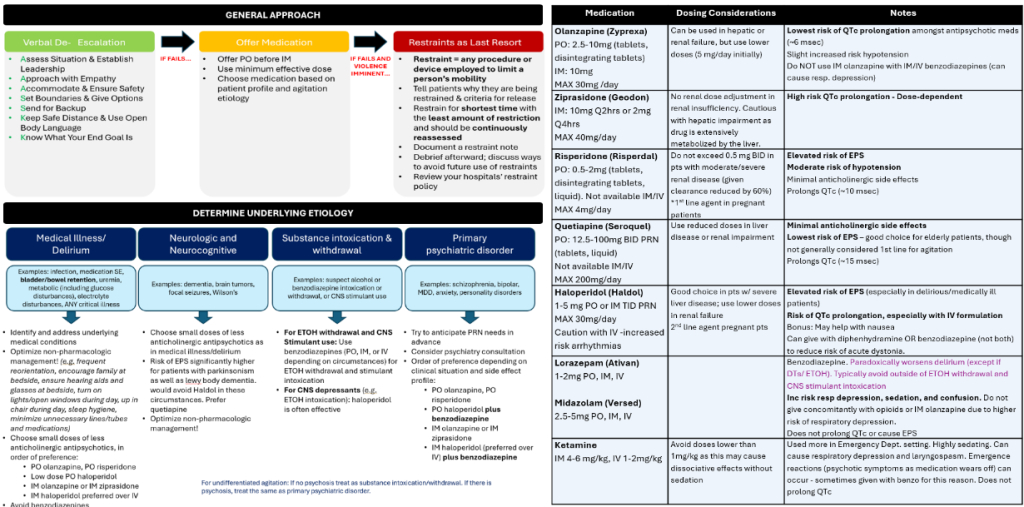
A flowchart titled “Approach to Agitation” is divided into general approach, identifying etiology, and medication selection:

General Approach:

Begin with verbal de-escalation (safety, empathy, boundaries).

If fails, offer medications based on profile and etiology.

Use restraints only as last resort if patient is violent/imminent danger.

Determine Underlying Etiology:

Medical illness/delirium: Use low-dose antipsychotics (e.g., PO olanzapine or risperidone).

Neurologic: Dementia, brain tumors. Avoid high EPS risk meds.

Substance intoxication/withdrawal: ETOH withdrawal may require benzos. Avoid antipsychotics in stimulant toxicity.

Primary psychiatric disorder: Use meds tailored to symptom profile; avoid unnecessary restraint.

Medication Table:

Lists olanzapine, ziprasidone, risperidone, quetiapine, haloperidol, lorazepam, midazolam, and ketamine.

Includes doses, notes on QTc prolongation, EPS risk, sedation, and preferred use cases.

Reference: modified from www.ttreducators.com/compendium


Atrial Fibrillation with RVR
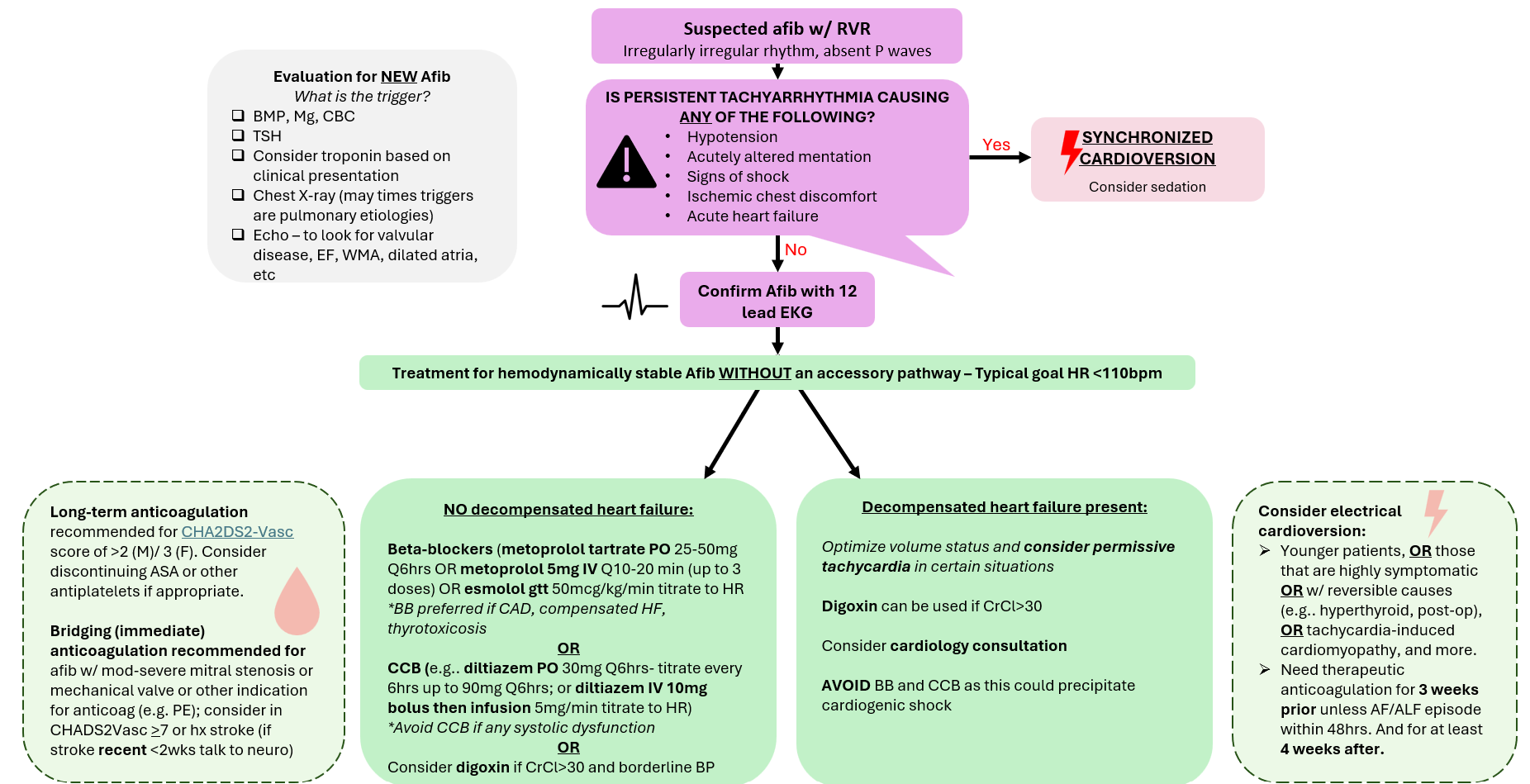
Afib with RVR CHADSVASC Calculator

Reviewed and edited by Dr. Marty Tam, MD, MHPE


Altered Mental Status (Acute)

A diagnostic algorithm for AMS evaluation:

Immediate actions:

Airway protection, POC glucose, thiamine IV if Wernicke risk, ABG, naloxone, full physical/neuro exam.

Red triangle warns of herniation signs (e.g., blown pupil + posturing): elevate head, give hypertonic saline or mannitol, call neurosurgery, head CT.

Branching Based on Exam:

Focal deficit on exam: Urgent CT and neuro consult for stroke/hemorrhage.

No focal deficit: Evaluate for toxic (meds, overdose), metabolic, endocrine, infectious, delirium, or neuro causes.

Further Testing:

CBC, CMP, tox screen, TSH, B12, cultures.

Imaging: head CT, brain MRI if needed.

EEG if seizure suspected.

LP for meningitis/encephalitis if no alternative found.

Naloxone Use: Low threshold if respiratory depression or pinpoint pupils. Dose escalation protocol shown.

Reviewed and edited by Dr. Kurt Sieloff, MD


Bradycardia with a Pulse

Authors: Dr. Lauren Heidemann MD, MHPE & Dr. Matt Rustici MD

© TTR Course Educators

Reference: 2025 American Heart Association Algorithms


Chest Pain

Chest Pain Pathway HEART Score EDACS Score TIMI Score GRACE Score

Reviewed and edited by Dr. Marty Tam, MD, MHPE.


Fever

Fever Evaluation Pathway SOFA Score SIRS Criteria

Reviewed and edited by Dr. Owen Albin, MD.


GI Bleed (Acute)
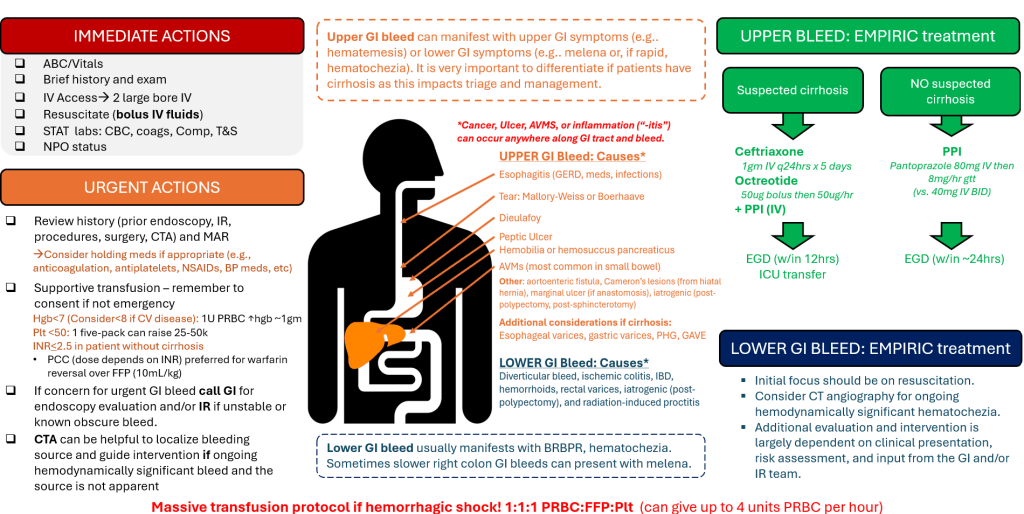
Created by Dr. Amit Gupta, MD, MHPE


Hypertension (Severe)

Flowchart for inpatient management of severe hypertension (SBP ≥180 or DBP ≥120):

Do Not Panic reminder that many cases are asymptomatic and don’t need rapid treatment.

Immediate Actions: Repeat BP with proper cuff size, assess for end organ damage (e.g., stroke, AKI, ACS), and test appropriately (CBC, EKG, troponin, etc.).

Branch 1: Asymptomatic Markedly Elevated BP:

Treat with PO medications (not IV).

If patient has no known HTN: coordinate outpatient follow-up.

If patient has chronic HTN: restart or escalate home meds (e.g., labetalol, amlodipine).

Rare cases (e.g., pre-op) may require quicker PO treatment (e.g., captopril, clonidine).

Branch 2: HTN Emergency (w/ End Organ Damage):

Admit to ICU.

Use IV medications (e.g., nitroglycerin, labetalol, nicardipine) based on specific scenarios (e.g., flash pulmonary edema, dissection, stroke).

Goal: lower BP by ~25% in first hour, then to 160/100 over 2–6 hrs.

Reviewed and edited by Dr. Monee Amin, MD


Hypotension
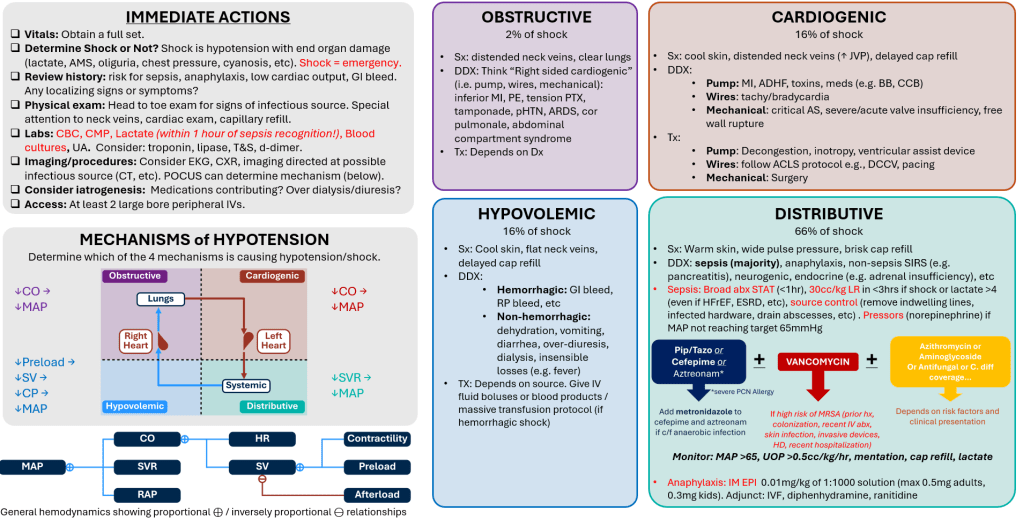
Flowchart for evaluating shock by underlying cause:

Immediate Actions: Vitals, assess for shock, physical exam, history, labs (CBC, lactate, blood cultures), imaging as needed.

Shock Mechanism Boxes (color-coded):

Obstructive (2%): PE, tamponade, tension PTX; treat underlying cause.

Cardiogenic (16%): MI, ADHF; requires inotropes, diuresis, or surgery.

Hypovolemic (16%): Hemorrhage or dehydration; treat with IV fluids or transfusion.

Distributive (66%): Sepsis, anaphylaxis, adrenal crisis; treat with fluids, vasopressors, source control.

Central Graphic: Mechanism diagram showing how changes in cardiac output (CO), preload, afterload (SVR), and contractility affect mean arterial pressure (MAP). Helps categorize type of shock.

Created by Dr. Jacob Mack, MD


Seizure
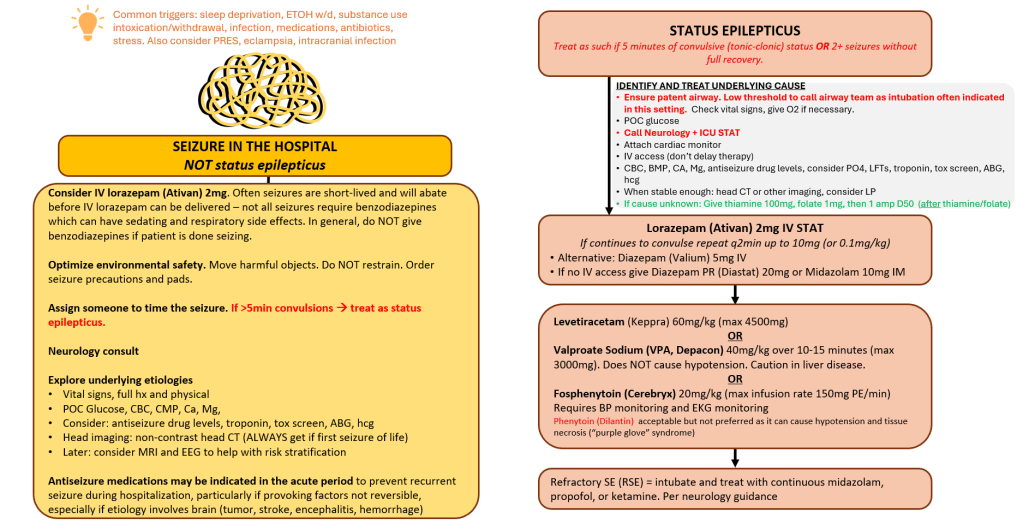
A dual-panel guide on Seizure (not status epilepticus) and Status Epilepticus:

Seizure in Hospital (Non-status):

Common triggers: sleep deprivation, alcohol withdrawal, infection, stress.

Management:

Give IV lorazepam 2 mg only if actively seizing.

Ensure safety (remove nearby objects).

Do not restrain.

Assign someone to time the seizure.

If seizure >5 min, treat as status epilepticus.

Workup includes labs, imaging, tox screen, EEG, and consult neurology.

Status Epilepticus:

Defined as >30 min continuous seizure or 2+ without full recovery.

Treat if convulsing >5 min.

Initial steps: ABCs, glucose, cardiac monitor, labs, head CT.

Medications:

1st: Lorazepam 2 mg IV.

Repeat q2min up to 10 mg. Alternatives: Diazepam or IM midazolam.

2nd line: Keppra, valproate, or fosphenytoin.

Refractory cases → intubate and treat with midazolam, propofol, or ketamine.

Reviewed and edited by Dr. Kurt Sieloff, MD


Shortness of Breath
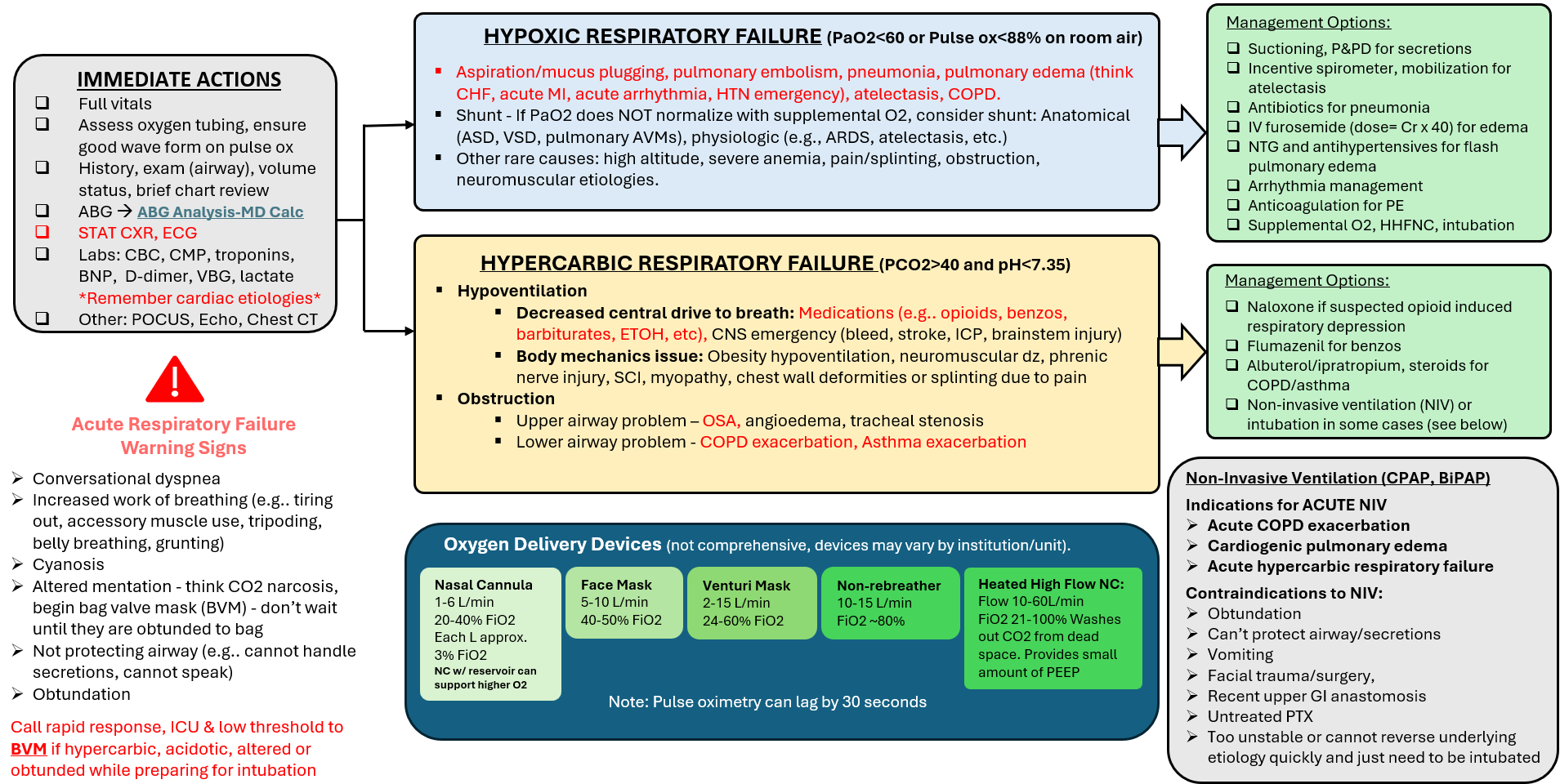
A diagnostic approach to hypoxic and hypercapnic respiratory failure: Immediate Actions: Full vitals, I/O, ABG, ECG, chest imaging, labs (CBC, lactate, troponin, BNP), assess for cardiac cause. Warning Signs: AMS, dyspnea, use of accessory muscles, not protecting airway → call ICU and begin BVM if needed. Hypoxic Respiratory Failure (PaO2

Reviewed and edited by Dr. Kayla Kolbe, MD and Dr. Mark Kolbe, MD


Stroke (Acute)
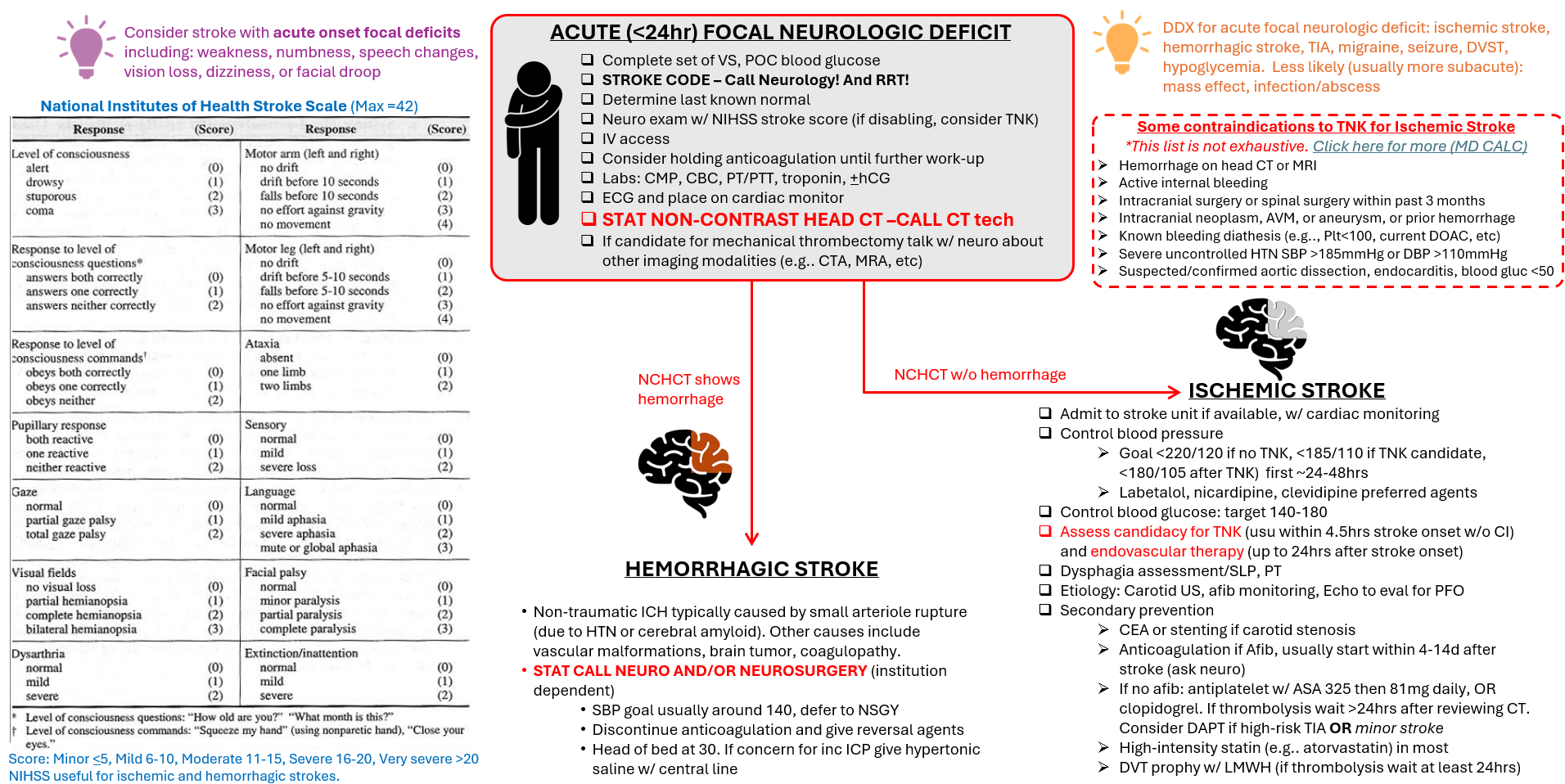
Stroke Pathway NIHSS Stroke Scale tPA Contraindications

Reviewed and edited by Dr. Kurt Sieloff, MD


Tachycardia with a Pulse

Authors: Dr. Lauren Heidemann MD, MHPE and Dr. Matt Rustici MD

© TTR Course Educators

Reference: 2025 American Heart Association Algorithm 


Common Overnight Cross-Cover Scenarios

GI CONCERNS (Constipation, Diarrhea, Nausea/Vomiting)
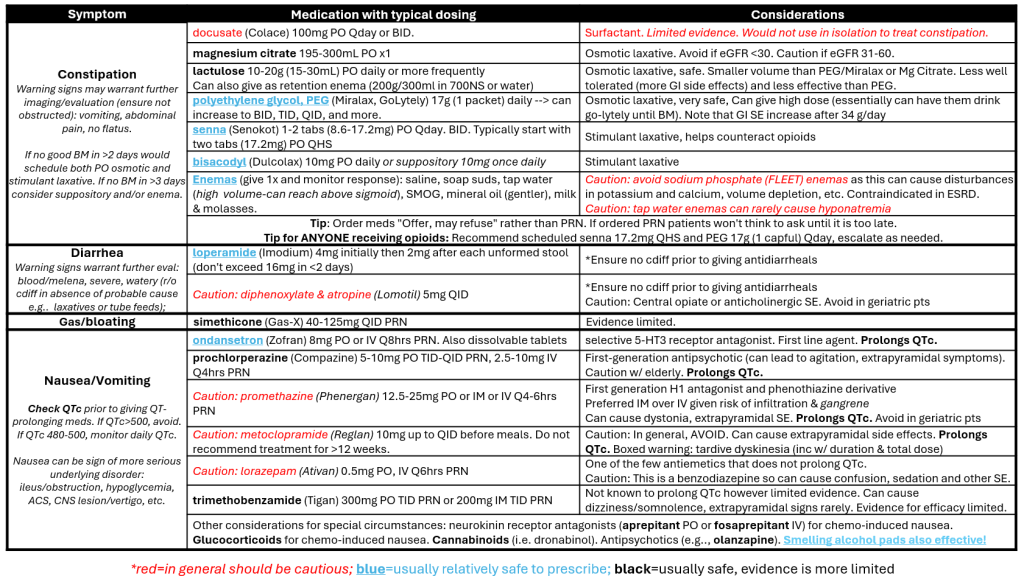
A medical reference chart titled "Symptom Management: GI Symptoms" is organized into five rows by symptom: Constipation, Diarrhea, Gas/Bloating, Nausea/Vomiting. Each row contains three columns: Symptom, Medication with Typical Dosing, and Considerations.

Constipation includes medications like docusate, magnesium citrate, lactulose, polyethylene glycol, senna, bisacodyl, and enemas. Tips include using osmotic and stimulant laxatives together if no bowel movement in over 2 days. Cautions are noted for certain enemas and limited efficacy of docusate.

Diarrhea suggests loperamide and warns against using without ruling out C. difficile. Diphenoxylate & atropine (Lomotil) should be used with caution due to potential side effects and limited use in geriatrics.

Gas/Bloating lists simethicone as a treatment, though evidence is limited.

Nausea/Vomiting lists several agents including ondansetron, prochlorperazine, promethazine, metoclopramide, lorazepam, trimethobenzamide, and notes on other options like cannabinoids, neurokinin receptor antagonists, and antipsychotics. QTc monitoring is emphasized for many drugs due to risk of prolongation.

Colored font indicates:

Red = Caution advised

Blue = Relatively safe to prescribe

Black = More limited or general information

Reviewed and edited by Dr. Jacob, Mack, MD


Insomnia, Cough, Itching, Headache
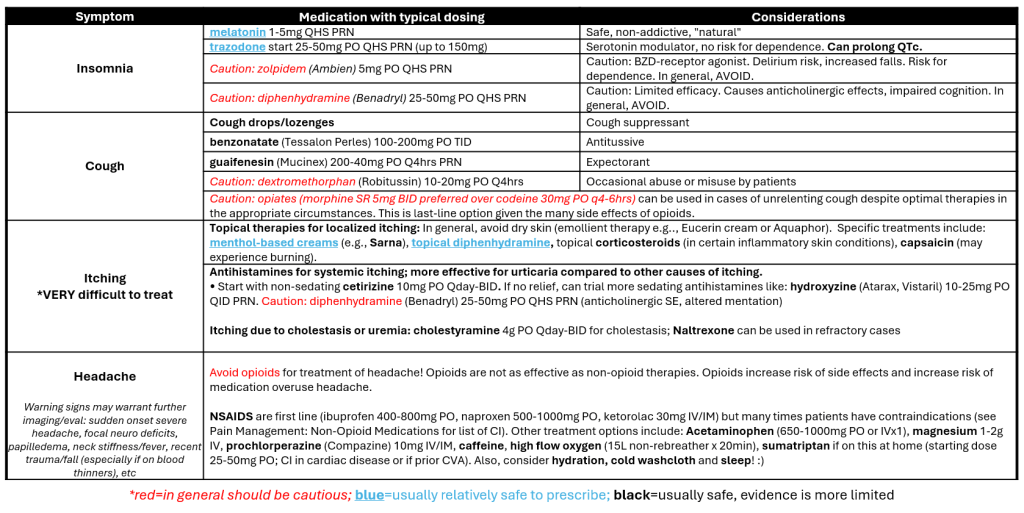
A medical reference chart titled “Symptom Management: Insomnia, Cough, Itching, and Headache” is organized into rows by symptom: Insomnia, Cough, Itching (very difficult to treat), and Headache/Migraine. Each row includes three columns: Symptom, Medication with Typical Dosing, and Considerations.

Insomnia treatments include:

Melatonin 1–5 mg QHS PRN: safe and non-addictive.

Trazodone 25–50 mg PO QHS PRN (up to 150 mg): no dependence, may prolong QTc.

Zolpidem (Ambien) and Diphenhydramine (Benadryl): marked with caution due to risks of delirium, falls, anticholinergic effects, and cognitive impairment.

Cough treatments include:

Cough drops/lozenges

Benzonatate 100–200 mg PO TID (antitussive)

Guaifenesin 200–400 mg PO Q4hrs PRN (expectorant)

Dextromethorphan 10–20 mg PO Q4hrs: caution due to possible abuse.

Opiates (e.g., morphine SR 5 mg BID or codeine 30 mg PO q4–6hrs): last-line option for unrelenting cough with significant side effects.

Itching (very difficult to treat):

Topical therapies (e.g., emollients like Eucerin, Aquaphor, menthol-based creams, topical diphenhydramine, corticosteroids, capsaicin).

Systemic antihistamines: start with non-sedating cetirizine 10 mg PO QD–BID. If not effective, try hydroxyzine 10–25 mg PO QID PRN. Avoid diphenhydramine due to side effects.

For cholestasis/uremia-related itching: Cholestyramine 4g PO QD–BID or Naltrexone in refractory cases.

Headache/Migraine:

Warning signs for urgent evaluation include sudden onset, severe pain, focal neurologic signs, papilledema, fever, neck stiffness, trauma, or recent anticoagulant use.

Avoid opioids. First-line agents: NSAIDs (e.g., ibuprofen 400–800 mg PO, naproxen 500–1000 mg PO, ketorolac 30 mg IV/IM).

Other options: Acetaminophen, magnesium 1–2g IV, prochlorperazine 10 mg IV/IM, caffeine, balofen 5 mg PO TID PRN, high-flow oxygen for cluster headache, sumatriptan (unless contraindicated). Supportive care includes cold washcloth and sleep.

Color key:

Red text indicates caution

Blue text indicates relatively safe

Black text includes general or supportive information

Reviewed and edited by Dr. Kristen E. Fletcher, MD


PAIN MANAGEMENT: Non-Opioid Medications
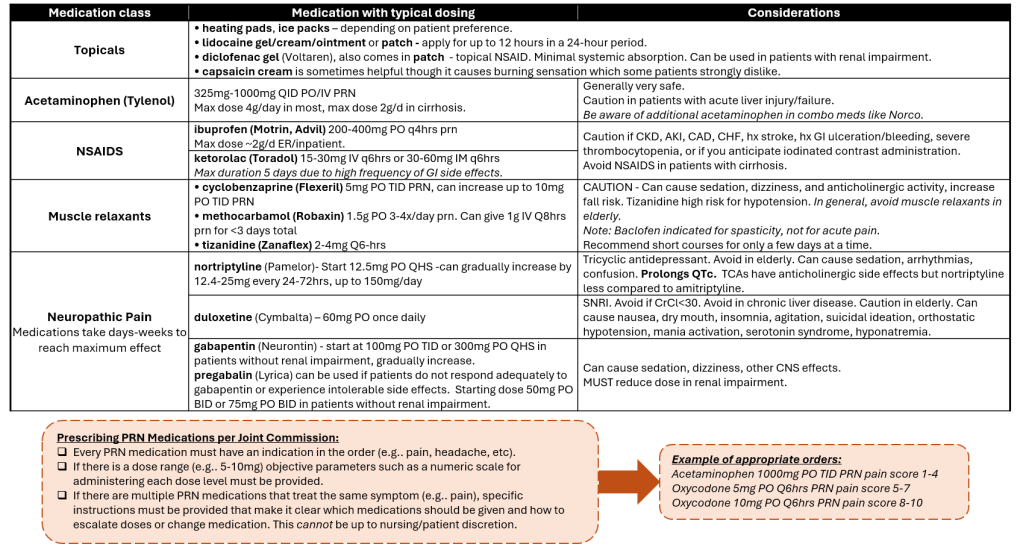
A chart titled "Pain Management: Non-Opioid Medications" is organized into columns: Medication Class, Medication with Typical Dosing, and Considerations. Topicals: Include heating pads, ice packs, lidocaine gel/cream/ointment, diclofenac gel (Voltaren), and capsaicin cream. Notes address patient preference and skin sensation discomfort. Acetaminophen (Tylenol): 325–1000 mg QID PRN, max dose 4g/day (2g/day if cirrhosis). Safe, but caution with liver impairment and combined products (e.g., Norco). NSAIDs: Ibuprofen: 200–400 mg Q4hrs PRN (max ~2g/day). Ketorolac: 15–30 mg IV Q6hrs, max 5 days due to GI risk. Caution in patients with renal, cardiac, GI, or liver conditions. Muscle Relaxants: Cyclobenzaprine (Flexeril) 5–10 mg PO TID PRN. Methocarbamol (Robaxin) 1.5g PO 3–4x/day, can give 1g IV Q8hrs. Can cause sedation, dizziness; avoid in elderly; short course use only. Neuropathic Pain Medications (take days–weeks to work): Nortriptyline: 12.5 mg PO QHS; increase gradually. Duloxetine (Cymbalta): 60 mg PO QD. Avoid if CrCl

Reviewed and edited by Dr. Kristen E. Fletcher, MD


Pain Management: Opioids
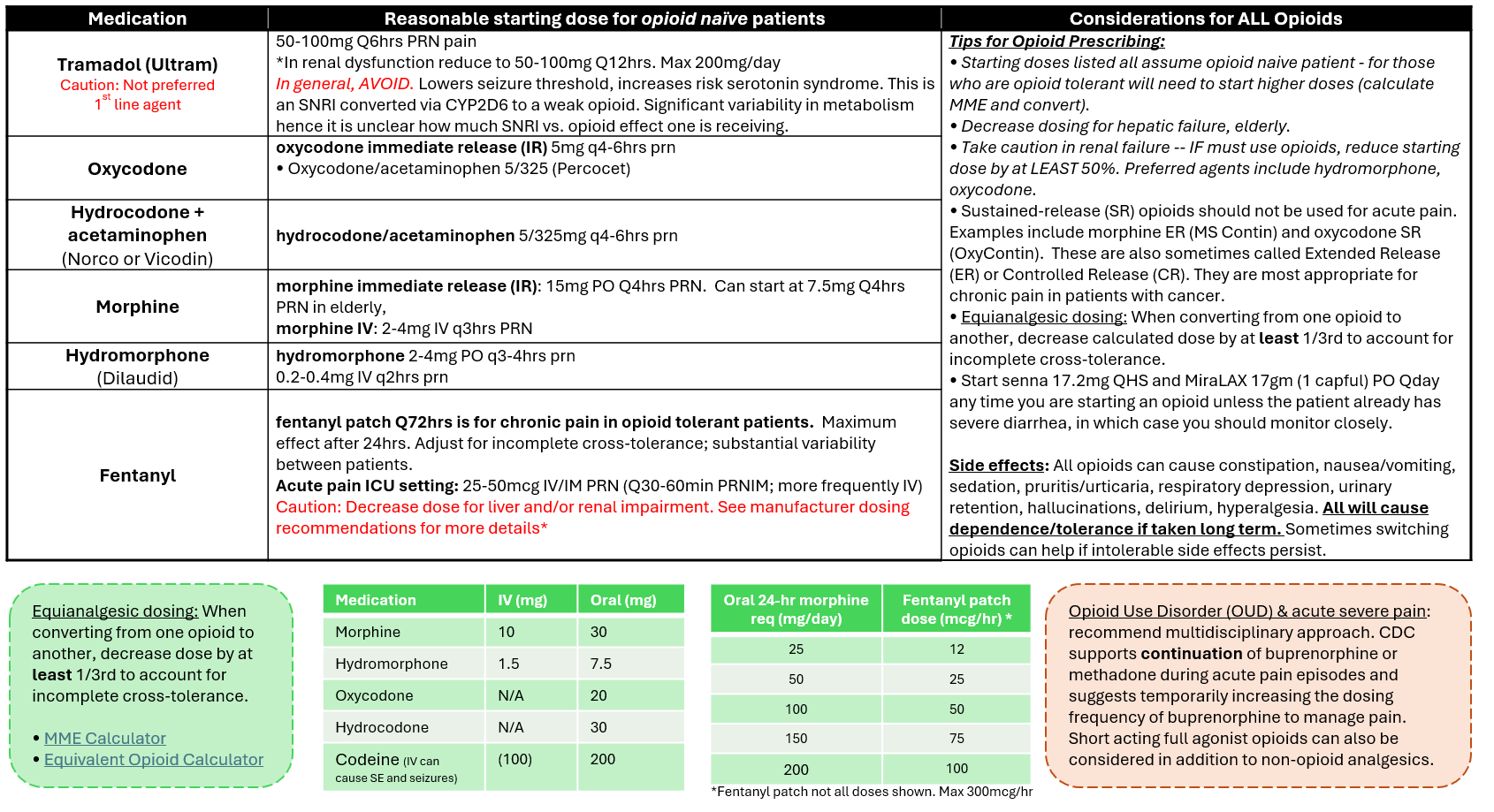
Opioid Pain Management Chart MME Calculator Opioid Converter

Reviewed and edited by Dr. Kristen E. Fletcher, MD


Electrolyte Disorders

SODIUM
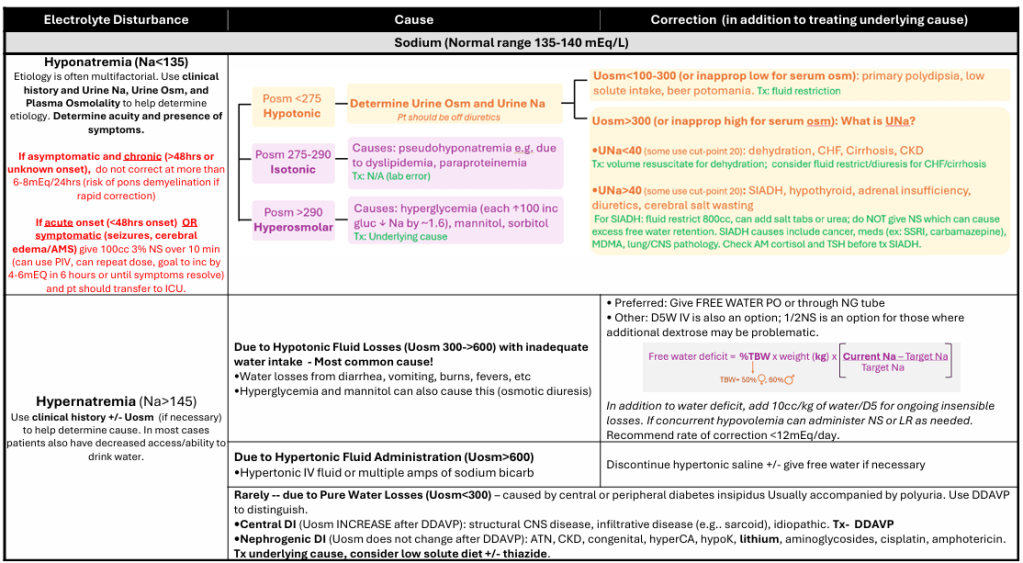
A chart titled "Electrolyte Disturbance: Sodium (normal 135–140 mEq/L)" details the diagnosis and management of Hyponatremia and Hypernatremia using serum osmolality and urine studies. Hyponatremia (Na

Reviewed and edited by Dr. Junior Uduman, MD, MS, FASN 


POTASSIUM AND MAGNESIUM

A chart titled "Electrolyte Disturbance: Potassium and Magnesium" is organized by ranges and includes causes and treatment for both hypo- and hyper-kalemia, and hypomagnesemia. Potassium Disorders (normal 3.5–5.0 mmol/L): Hypokalemia: Mild: 3.0–3.4; Moderate: 2.5–2.9; Severe: 6.5 or EKG changes. Causes: Renal failure, ACEi/ARBs, TLS, hemolysis, rhabdomyolysis. Correction: If >6.5 or EKG changes: IV calcium to stabilize membranes. K >6.0: Give insulin + glucose, beta-agonists, bicarbonate. K >5.5: Use binding agents like Lokelma or diuretics/dialysis. Magnesium (normal 1.7–2.2 mg/dL): Hypomagnesemia: Mild: 1.2–1.7; Moderate: 1.0–1.2; Severe:

Reviewed and edited by Dr. Monee Amin, MD


CALCIUM AND PHOSPHORUS

Reviewed and edited by Dr. Junior Uduman, MD, MS, FASN 


ABOUT

This guide was created by Dr. Lauren Heidemann, MD, MHPE, a hospitalist at University of Michigan. This project would not have been possible without the expertise, insight, and generous time of many colleagues who reviewed and contributed to the content. Sincere thanks to everyone who helped shape this resource, listed below. This guide is updated annually. Last update March 2025.

(C) Lauren Heidemann. All rights reserved.